

Ben Babbington
Founder and Head Instructor
Ben founded ZKS in 1999 and teaches and guides the team across its children’s, teen and adult programmes.
Read Ben’s profileTeen Martial Arts at ZKS Martial Arts is for Year 7 to Year 11, with classes in Aylesbury and Watford. ZKS Teen Martial Arts provides a dedicated teenage peer group. Teenagers train with others at a similar school stage, with tasks suited to that group and space for beginners as well as experienced students.
Create the parent account, add the student and request a suitable class. Wait for confirmation before attending.
Questions before booking? Ask ZKS about starting Teen MA.
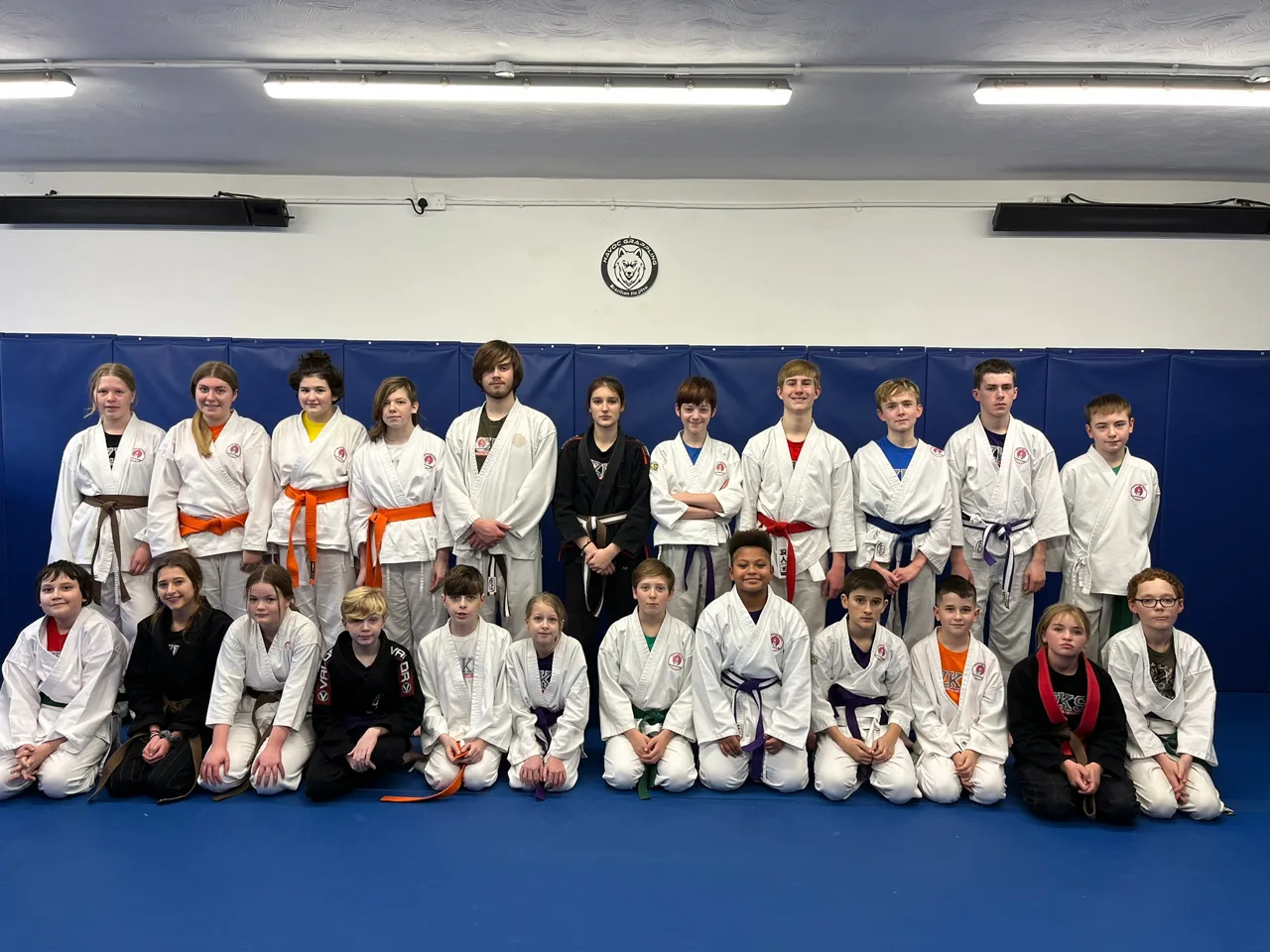
Training covers striking, throwing and grappling, and self-defence. Teens develop stance, movement, combinations, safe falling, positional control and escapes through supervised practice. Technical accuracy and consideration for training partners matter alongside physical effort.
Training returns to three connected areas, giving students time to practise familiar skills and build on them as they become ready.
The focus of a lesson follows the current teaching plan; students do not need to know these skills before joining.
Lessons combine a warm-up, instruction, partner practice and feedback. Teenagers have opportunities to build fitness and confidence through learning skills and practising them over time. Progress differs between students; attendance and training experience shape the next appropriate challenge.
Partner work gives teenagers time to practise techniques together, with an emphasis on control and consideration for the person they train with.
A buddy for your first lesson. We find a member to help newcomers during their first class, so you have someone to help you get involved. Let us know before your trial if you have any worries or support needs.
For your trial, wear jogging bottoms and a T-shirt and bring a water bottle. Training is barefoot unless you wear ZKS MA grip socks. Ordinary socks are not permitted on the mats. Remove jewellery, tie back long hair and follow your booking confirmation.
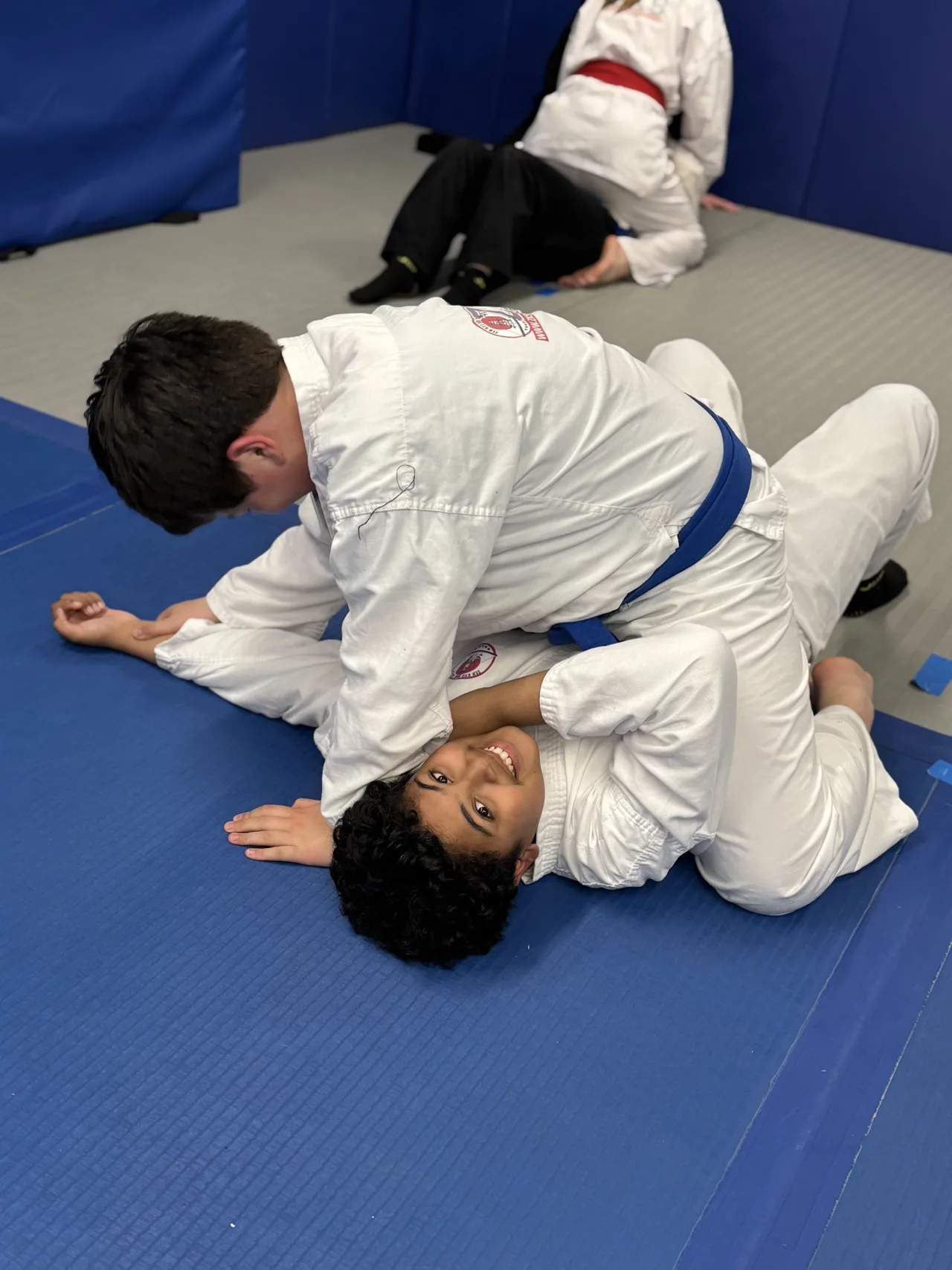
We use belt level, school year and size to pair members for practice. All children’s classes have a no head shots rule. Teen MA also includes basic grappling submissions. We help teens understand how real techniques affect a partner and why control, restraint and respect matter: learning a technique includes understanding its possible consequences, not simply how to perform it.
The joining pack provides a gi and basic starter gloves so new members can begin class training. Teens also need a mouthguard for striking. Once settled in, members purchase shin and instep guards and can choose to upgrade to pro gloves. Your instructor will guide you on equipment needed for each activity. See the joining pack and equipment prices below.
Get to know our teaching team before your first visit. The instructor leading your session depends on your confirmed class arrangements.
Founder and Head Instructor
Ben founded ZKS in 1999 and teaches and guides the team across its children’s, teen and adult programmes.
Read Ben’s profile
Watford lead instructor
James developed from assisting with Watford classes to leading the academy at Nascot Wood Junior School.
Read James’s profileTeen MA students practise standing techniques together on the mats, moving with their hands raised in guard. The clip gives a glimpse of a group training session at ZKS.
19-second silent video. Select play to watch; playback does not start automatically.
We encourage teens to train at least twice a week. Regular practice gives you more time to develop skills, build friendships and work with different partners. As you progress, the training and qualifying-attendance guidance explains what to work towards at your grade.
Students build skills through practice, feedback and opportunities to celebrate their progress. Our Review guide explains how readiness for the next stage is assessed, and the moving-up guide helps families prepare for their next programme.
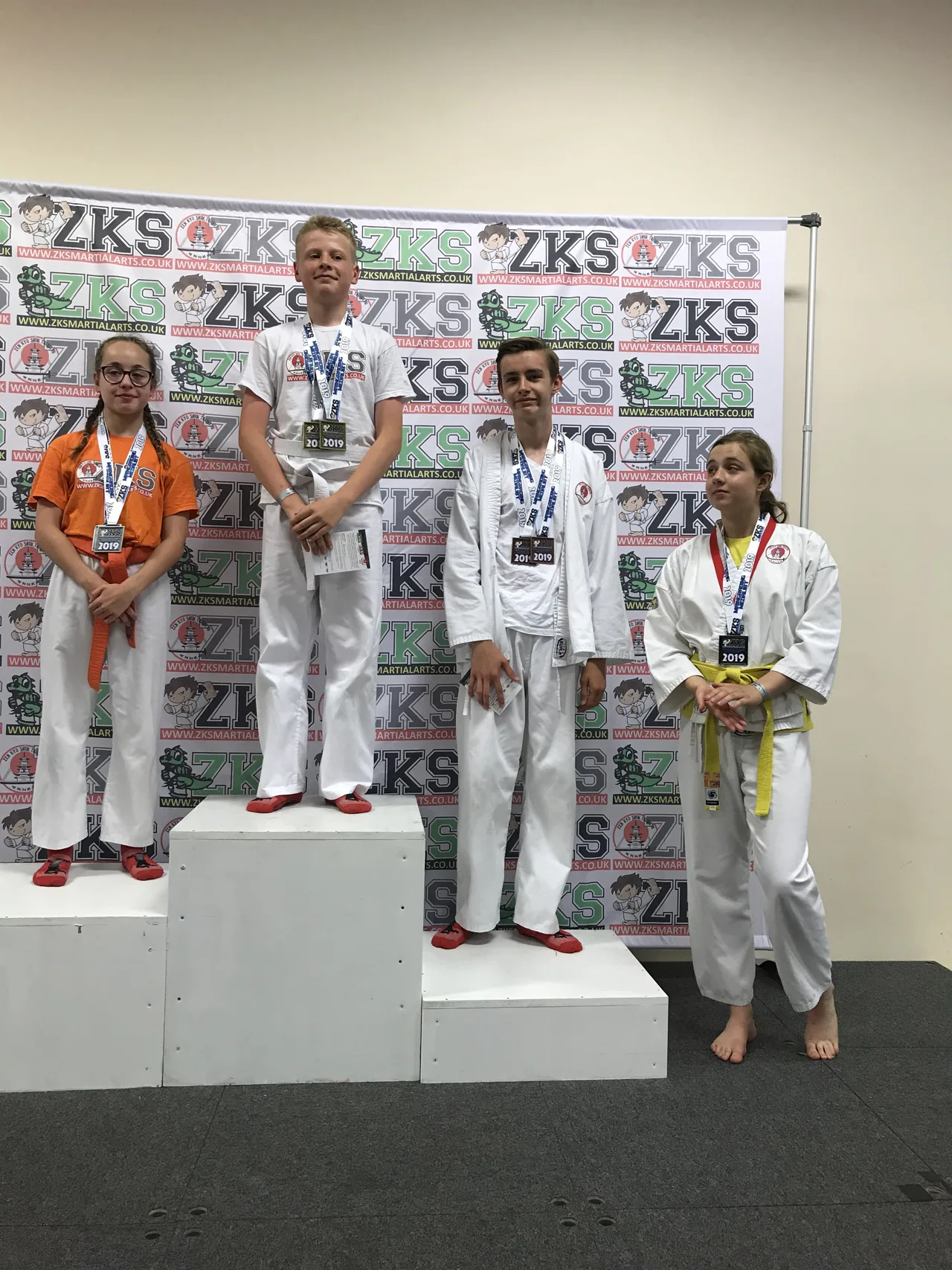
Progress also includes learning a new technique, practising with a partner and building experience. This photograph celebrates a past event; newcomers can start with a suitable trial class.
Find a class by venue, day and school year. Class times and availability come from the live ZKS timetable.
Select your chosen class by using the dropdowns below.
Loading the current timetable…
| Venue | Class | Day | Start | Finish | Availability |
|---|
Children’s programmes normally follow school year. Adult sessions for under-18s require an invitation and approval. See which class to choose.
A displayed space is not a confirmed booking. Adaptive suitability is considered individually. Only attend after ZKS confirms your place.
Choose the number of regular classes your child attends each week.
| Membership | Monthly cost | Regular classes |
|---|---|---|
| Standard | £35 | 1 per week |
| Premium | £45 | 2 per week |
| Elite | £55 | 3 per week |
£60 one-off joining fee. Includes a uniform (gi), white ZKS T-shirt, basic starter gloves and registration, so you can get started in class. Paid after the free trial as part of your first membership payment. Joining-fee details.
Monthly fees are annualised across 12 equal Direct Debit payments, including scheduled holidays. Places depend on suitable class availability.
Progression costs: Reviews and Belt Promotion involve separate purchases. Check current prices and invitations in the Members Area; see the Review guide and Belt Promotion guide.
Membership cancellation requires 30 days’ notice through the Members Area. Read the notice and final-payment terms.
Your basic starter gloves are included in the joining pack. Once settled into class, you can buy:
A mouthguard is also required for striking. Ask your instructor about fit and when each item is needed; check the shop for current prices and availability.
Create the parent account, add the student and request an available class. Wait for confirmation before attending.
Follow the Help Centre trial-booking steps, check what to bring and read what happens after your trial.
Beginners start with the core skills and practise with guidance. As students become more confident with the basics, instructors introduce extra challenges such as linking techniques, improving accuracy and making choices during partner practice. Students can work towards their next challenge without everyone having to perform at the same level.
Never! You do not need previous martial arts experience to begin. Teen MA welcomes beginners in Years 7–11, and a member will buddy you during your first lesson. If you are outside that school-year range, explore the other ZKS programmes or contact us for guidance.
Teen MA classes last 45 minutes. Check the start and finish times for your chosen session in the live timetable.
Teen MA classes can have up to 30 members, with at least one instructor and an assistant instructor. A larger peer group offers a wider range of training partners and skills to work with, and helps create a lively class atmosphere. Instructors use belt level, school year and size to match partners. Numbers vary by session; ask ZKS about your chosen class.
We find a member to buddy newcomers during their first lesson and help them get involved. Tell us about any worries or support needs before the trial so we can discuss your start.
For the trial, wear jogging bottoms and a T-shirt and bring a water bottle. Training is barefoot unless you wear ZKS MA grip socks. Ordinary socks are not permitted on the mats. Remove jewellery, tie back long hair and follow your confirmation. Regular training requires the equipment described above. See the first-class guide.
ZKS classes have a no-spectator rule. Parents and carers may watch the first lesson, but the instructor may decide not to allow this if they feel it is best for the class. Parents and carers do not stay to watch subsequent lessons. Teenagers may arrive or leave independently with parental agreement; confirm the arrangement with ZKS. Read the spectator policy.
We encourage teens to train at least twice a week. Membership options cover one, two or three regular classes per week, subject to availability. Expectations increase as you progress through the grades. Read the training and progression guidance.
Use the temporary class-change guidance to request an alternative; places depend on availability. A waiting-list entry or displayed class date is not a confirmed place. Wait for confirmation before attending.
No. Competition is optional. For teens who are interested, there are competition routes through Havoc Grappling or the annual ZKS summer interclub competition. Speak to your instructor about suitability and the relevant entry requirements. Competition is not a general requirement for belt progression.
Still have a question? Visit our Help Centre.
Year 11 students need an invitation and the appropriate approval before attending adult sessions. See the Teen waiver guidance. A dedicated Teen class remains the normal route for Year 7–Year 11.
Explore member progression at ZKS, including technical development, leadership and adult training. For current procedures, use the Help Centre.